Next generation brain sensing

Translating brain chemistry into human potential.

We’ve developed real-time neurotransmitter sensing technology that empowers researchers, clinicians, and everyday people to unlock new possibilities.

Who Are We?

NebulaNeuro, Inc. was founded in February 2025 under the leadership of Professor Read Montague of the Fralin Biomedical Research Institute at Virginia Tech. We are an early stage, pre-seed biotechnology company pioneering the first-ever technology for measuring neurotransmitters, such as dopamine, serotonin, and norepinephrine, in the human brain.

Mission: to translate cutting-edge human neurotransmitter measurements into a viable technology for improving the human condition.

Belief: that state of the art, real-time neurotransmitter measurements can improve people’s lives from day-to-day wellness tracking to improving early diagnosis and treatment for neurological and psychiatric disease.

Goal: to transform our research-grade system into a regulatory-approved, commercial product anchored in multiple peer-reviewed publications.

Why Neurotransmitters?

We all have some notion that our brains make us who we are. However, an interesting thing about brains is that they all generally look the same– so how is it something so uniquely ‘you’ looks like everyone else? It is because in the tissue of your brain you have a chemical orchestra playing a beautiful symphony that is you.

This chemical orchestra consists of molecules called neurotransmitters– many of which have become quite known in popular culture such as dopamine and serotonin. These molecules work together to control your moods, thoughts, and behavior.

Until Now There Has Not Been A Reliable Way to Measure Neurotransmitters in Humans.

Our novel technology aims to better the human condition by allowing us to better understand ourselves and our diseases through neurotransmission.

How Does it Work?

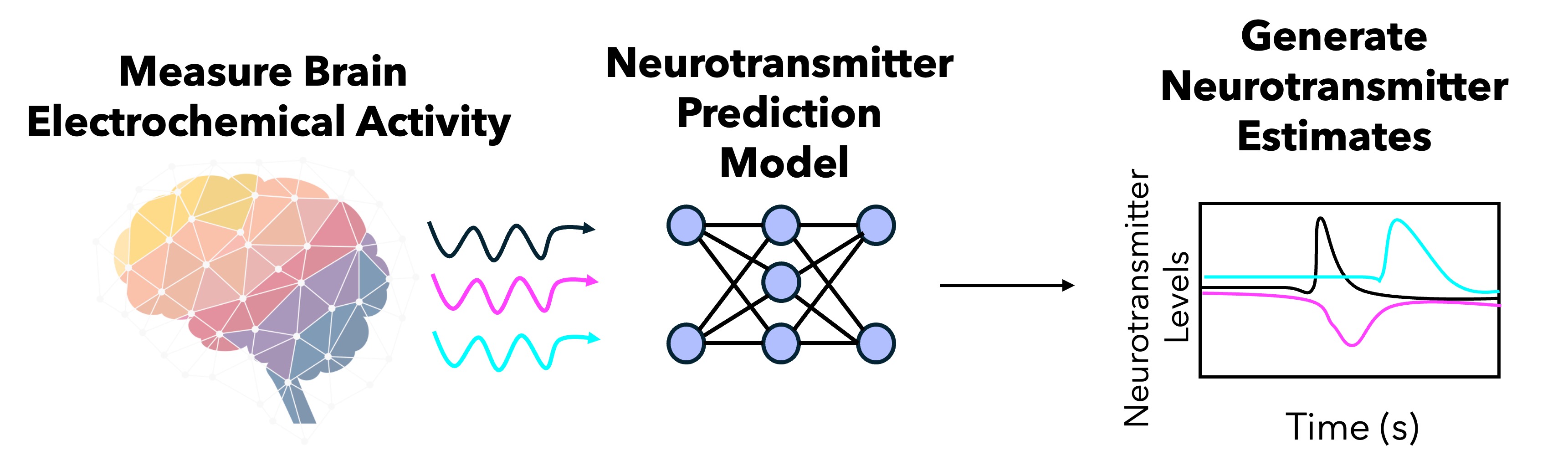
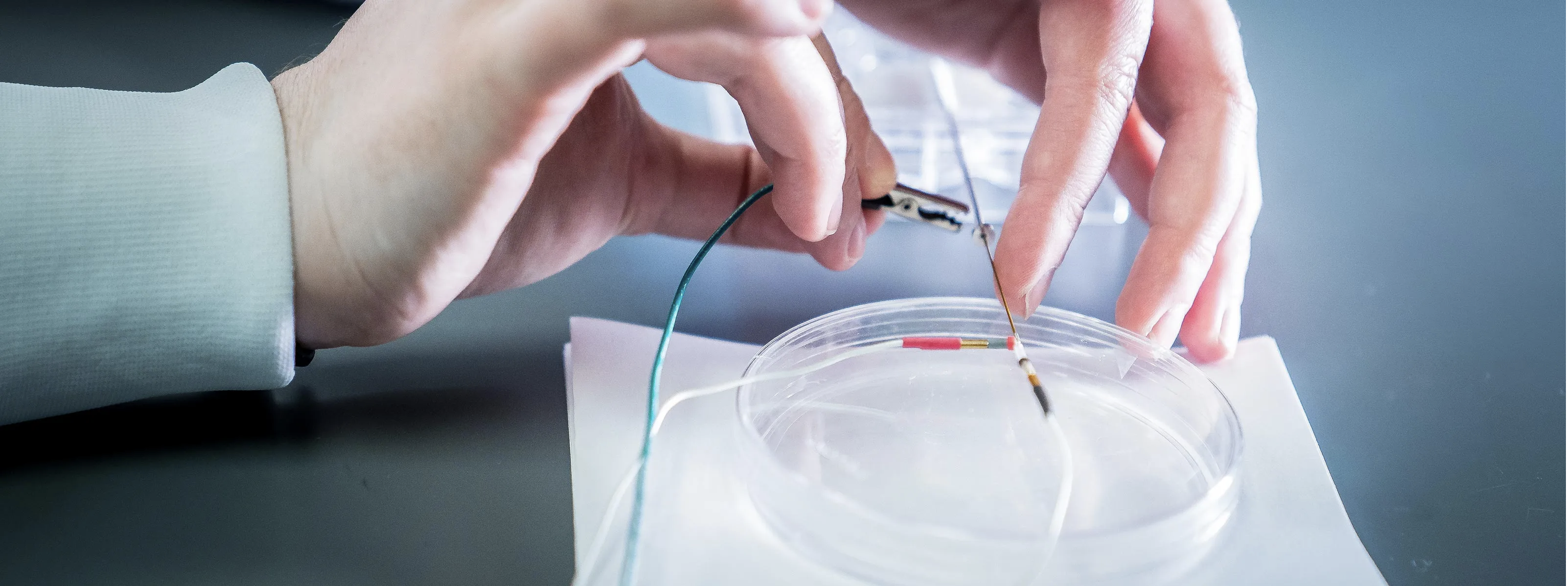
Utilizing artificial intelligence, we have enhanced pre-existing technologies to enable sub-second, simultaneous measurement of multiple neurotransmitters in humans.

Illustration of neurotransmitter sensing

The core methods behind this platform are protected by 3 pending patents, covering our machine-learning-based extraction of neurochemical signals. These patents ensure that the foundation of our technology is both unique and secure.

Where Does it Happen?

  1. In the clinic: during deep brain stimulation surgery.
  2. In the clinic: during phase II epilepsy monitoring.
  3. In healthy people: via a small nasal electrode.

Grounded in peer-reviewed human research

Our approach builds directly on sub-second measurements of dopamine, serotonin, and norepinephrine in the human brain, using our machine-learning electrochemical method on clinical electrodes.

Dopamine • Serotonin • Movement Disorders

Caudate serotonin signaling during social exchange distinguishes essential tremor and Parkinson’s disease patients

Hartle AE, Kishida KT, Sands LP, et al. Nature Communications (2025).

Demonstrates that violations in the expected value of monetary offers are encoded by opponent patterns of dopamine and serotonin release in essential tremor, but not Parkinson’s disease, patients. This work also shows that these changes in serotonin signaling comprise a neurochemical boundary that subsegments these two neuromotor diseases. Togehter, this work suggests that these disease states can be predicted solely by measuring neurochemical siganling.

Dopamine • Serotonin • Emotional Valence

Emotional words evoke region- and valence-specific patterns of concurrent neuromodulator release in human thalamus and cortex

Batten SR, Hartle AE, Barbosa LS, et al. Cell Reports (2025).

Demonstrates that valenced words modulate neuromodulator release in both the thalamus and cortex, but with region- and valence-specific response patterns, as well as hemispheric dependence for dopamine release in the anterior cingulate. These experiments show evidence that neuromodulator-dependent valence signaling extends to word semantics in humans, but not in a simple one-valence-per-transmitter fashion.

Dopamine • Serotonin • Social Decision-Making

Dopamine and serotonin in human substantia nigra track social context and value signals during economic exchange

Batten SR, Bang D, Kopell BH, et al. Nature Human Behavior (2024).

Demonstrates that dopamine and serotonin fluctuations in one of the basal ganglia’s main output structures reflect distinct social context and value signals.

Noradrenaline • Attention • Amygdala

Noradrenaline tracks emotional modulation of attention in human amygdala

Bang D, Luo Y, Barbosa LS, et al. Current Biology (2023).

Demonstrates that sub-second noradrenaline estimates can be obtained from standard depth electrodes in human amygdala, and that noradrenaline responses scale with emotional arousal and attentional salience while covarying with pupil dilation.

Dopamine & Serotonin • Perception

Sub-second dopamine and serotonin signaling in human striatum

Bang D, Kishida KT, Lohrenz T, et al. Neuron (2020).

Uses a motion discrimination task to show that serotonin in caudate tracks sensory uncertainty and that both dopamine and serotonin encode task statistics and decision timing in human striatum.

Serotonin • Reward • Counterfactuals

The protective action encoding of serotonin transients in the human brain

Moran RJ, Kishida KT, Lohrenz T, et al. Neuropsychopharmacology (2018).

This work provides initial evidence that the serotonergic system acts as an opponent to dopamine signaling, as anticipated by theoretical models. These findings also elucidate a role for serotonin in the striatum, suggesting it encodes a protective action strategy that mitigates risk and modulates choice selection particularly following negative environmental events.

Dopamine • Reward • Counterfactuals

Subsecond dopamine fluctuations encode actual and counterfactual reward

Kishida KT, Saez I, Lohrenz T, et al. PNAS (2016).

Records dopamine in human striatum during a sequential investment task and shows that dopamine signals combine standard reward prediction errors with counterfactual “what could have happened” information, rather than encoding simple RPEs alone.

People

The scientists and engineers behind NebulaNeuro

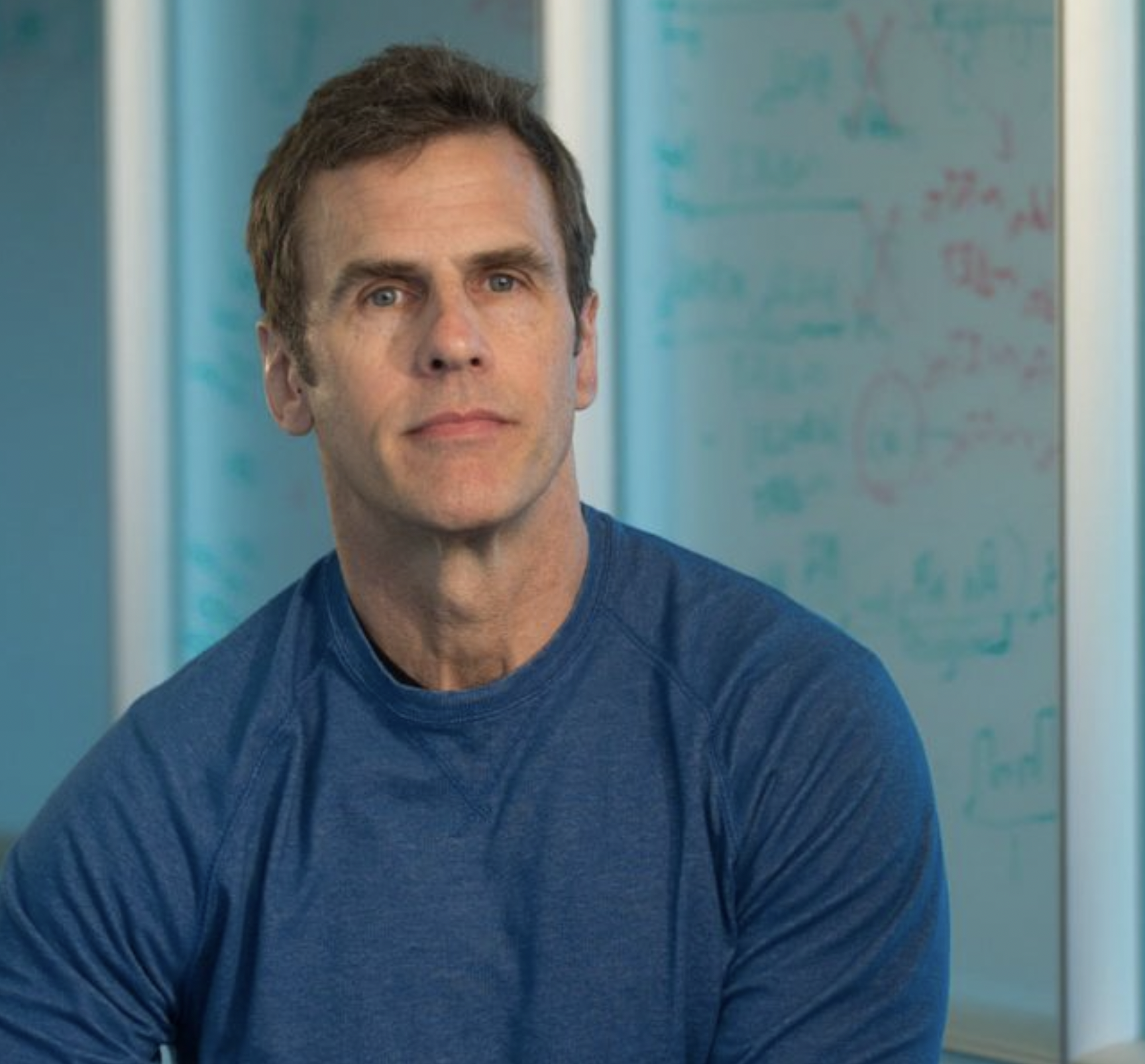
Person Name

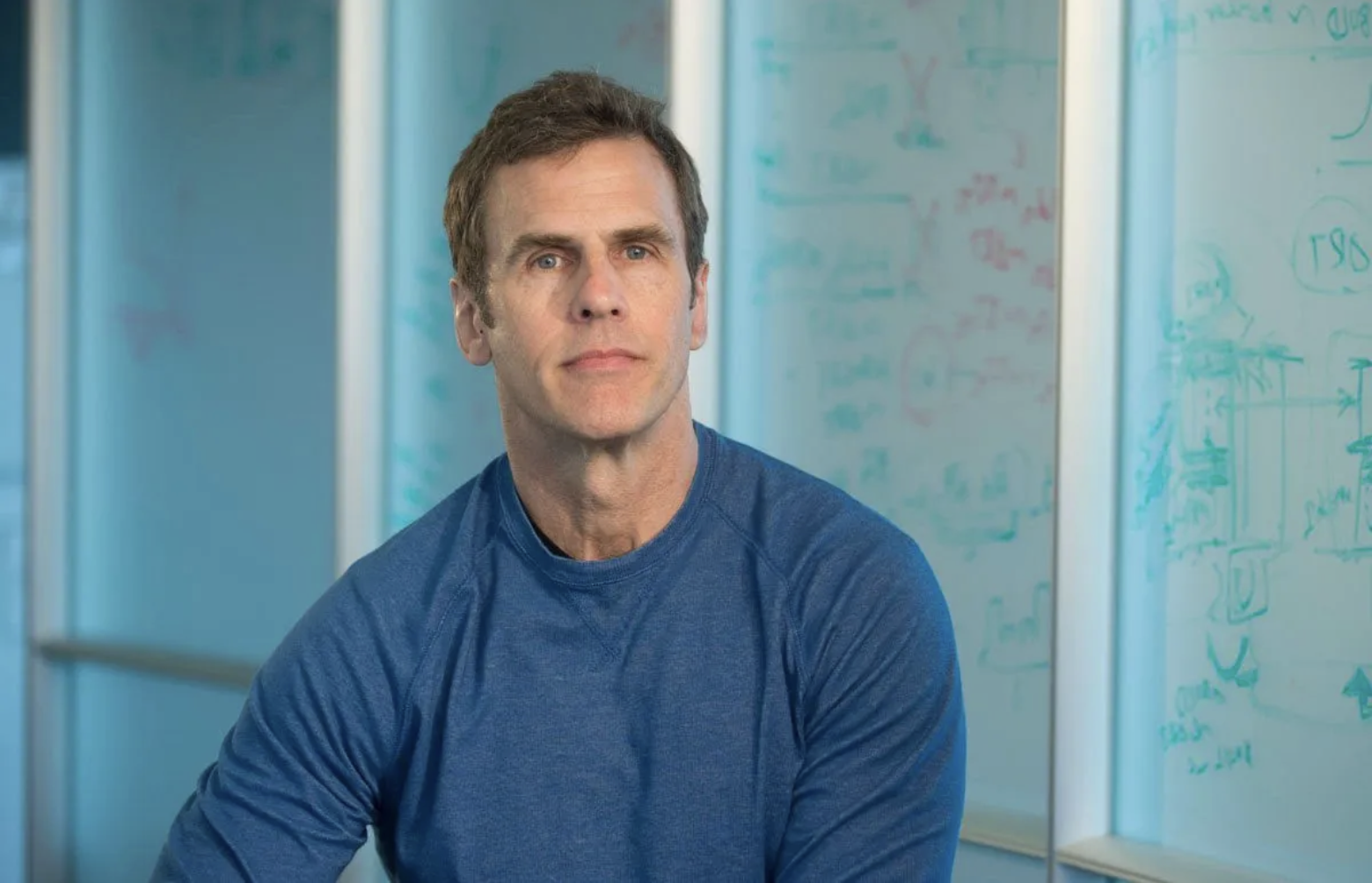
P. Read Montague, PhD

Founder

Computational Neuroscientist with 30+ years of experience in scientific innovation. Previously a founder of the software company Quaadros, which sold in the mid 2000's.

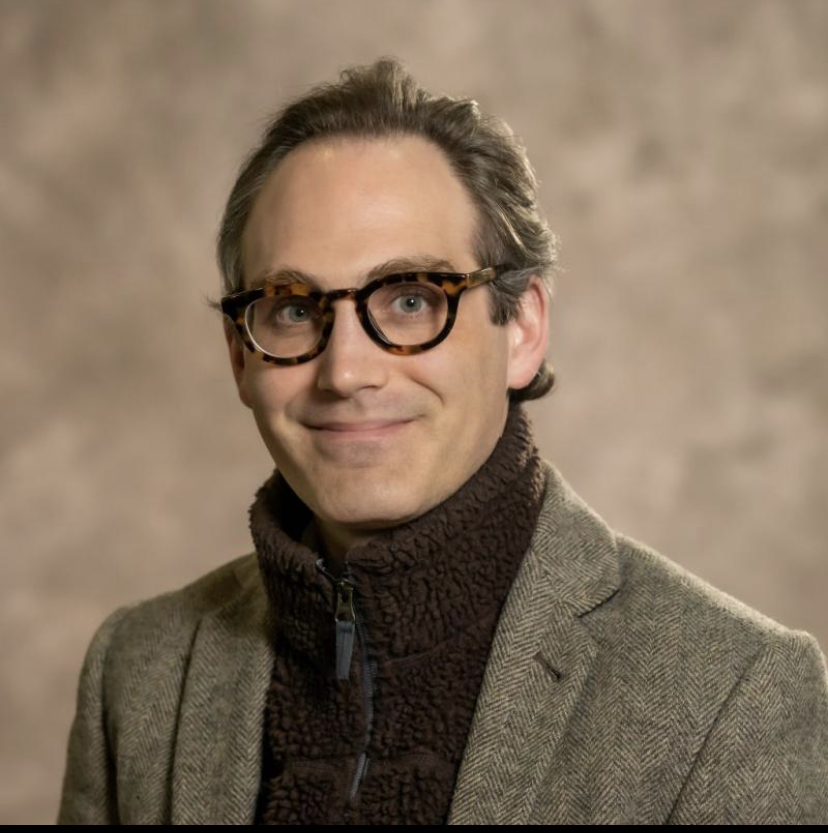
Person Name

Seth R. Batten, PhD

Co-Founder

Neuroscientist with 10+ years of experience in neurotransmitter measurements.

Person Name

Cassie Efkeman, MBA

Co-Founder

Business Professional with 10+ years of experience in management.

Person Name

Leonardo S. Barbosa, PhD

Co-Founder

Neuroscientist with 10+ years of experience in machine learning and artificial intelligence. Previously worked in the technology industry.

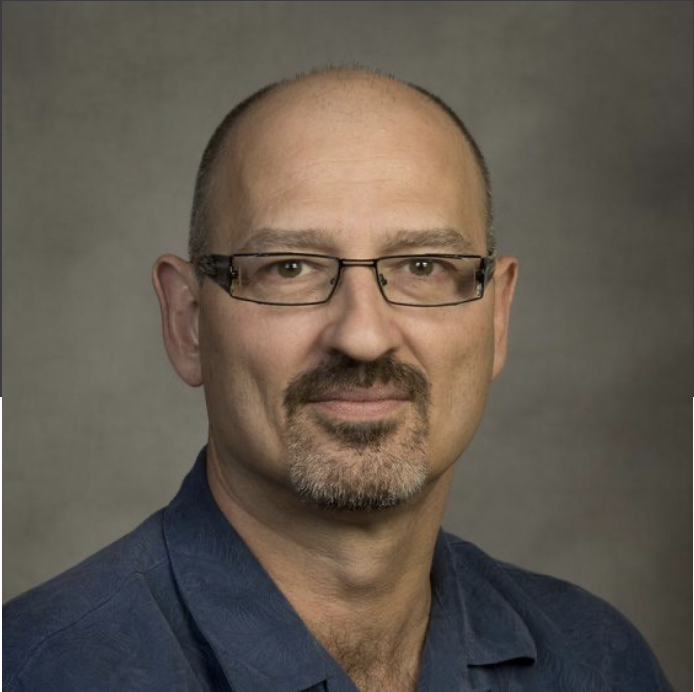
Person Name

Terry Lohrenz, PhD

Co-Founder

Computational Neuroscientist with 30+ years of experience in mathematical modeling and analytics. Previously worked in the energy and finance industries.

Person Name

Jason P. White

Co-Founder

Computer and Electrical Engineer with 20+ years of experience in hardware and software design. Previously served as a software engineer for 3 startups– one which IPOed and another that sold privately.

In the Press

Coverage of NebulaNeuro’s real-time brain chemistry technology in popular media.

Article thumbnail

Virginia Tech scientist to present insights in real-time human brain chemistry at Penn’s Flexner Lecture

October 2025 • Virginia Tech News

Read the article →
Article thumbnail

Scientists reveal brain signaling that sets Parkinson’s disease apart from essential tremor

September 2025 • Virginia Tech News

Read the article →
Article thumbnail

Words activate hidden brain processes shaping emotions, decisions, and behavior

January 2025 • EurekAlert!

Read the article →
Article thumbnail

'Curious Conversations' podcast: Read Montague talks about brain chemistry and neuroeconomics

September 2024 • Virginia Tech News

Listen to the Podcast →
Article thumbnail

First-in-humans discovery reveals brain chemicals working to influence social behavior

February 2024 • Virginia Tech News

Read the article →
Article thumbnail

Fralin Institute researcher to speak at Nobel symposium; more . . .

September 2022 • Cardinal News

Read the article →

Contact

We welcome conversations with clinical partners, scientific collaborators, and investors who are interested in pioneering breakthroughs in human neurochemistry.

Ready to explore a collaboration, pilot study, or an investment opportunity?